
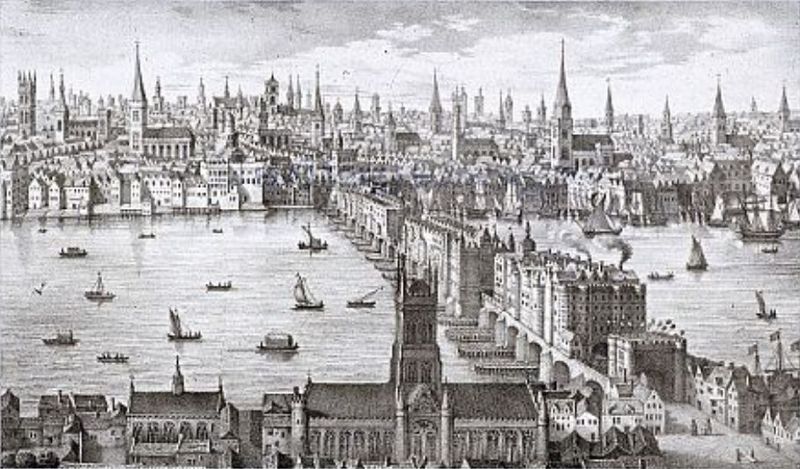


Isabella Whitney’s Wyll and testament is written masterfully, and represents the struggles of what she believes to be the real London. In the poem itself Whitney has an interesting way of describing locations and comparing them to the goods of the riches in comparison to those who made the goods. In the poem she says
“I hose do leave in Birchin Lane,
of any kind of size,
For women stitched, for men both trunks
and those of Gascon guise”
After looking further into Birchin lane in the old map of London and comparing it to google maps from today, I found out that it still exists and that it was a place where all clothing goods for men were created. The connecting blocks including Cornhill and exchange alley were also places were second hand clothes and other textiles were traded. What makes these places even more significant were that they were worked my Woman. I want to learn and share why all the trade was done here and how the role of Woman has changed since. I also want to step into Whitney’s shoes and understand her frustrations at the gender inequalities of the time period. Theres a Hermes store and a Tiffanys store in the current map, what got it there?
Another interesting part of the poem is when Whitney Says
“They shall be drawn up Holborn Hill to come to further shame”
I looked up the area on Google Maps and http://www.victorianlondon.org/ and it turns out during the time of King Henry the Fifth Holborn Hill was the road criminals passed by before they were hung. Horse Carriages were a common mean of transportation and the area is significant because even today there are a lot of law offices around the area. In my map I want to highlight the changes in the area and how they were influenced by the old map.








Andie Silva (she/her)
Saddad, I’m looking forward to seeing your map, though the connection between the women-centered (or presumed) spaces the hanging areas is not quite clear to me yet. If you are interested in pursuing that further, however, consider looking up the history of public hangings, which were practically a form of entertainment in the period.