
Awa Traore
Eng 298
Blog # 8
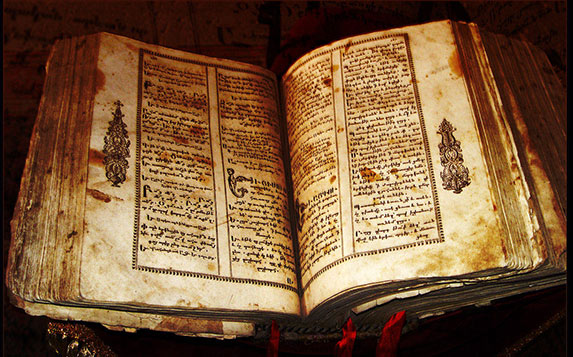
I’ve always been a visual and a kinesthetic learner so I would prefer having a physical book in front of me to understand the text better even when it comes to textbooks for my classes marking the pages up and highlighting important things help me understand the text so much better. However textbook can be very heavy to carry around so electronic book are considering better. Books are being thrown away, or sometimes packed away, as digitized versions become more available. After looking through “the arts of google books” and “Book Traces “it was very interesting to see how books are preserved digitally but a lot is lost in terms of originality and uniqueness because you don’t get the whole book we don’t get the feels as if we had an actual book in your hands. There’s nothing like an original version. Digital copies are at risk for many of things.
Nowadays, with the new process of preserving books without traces or also called “clean copies”. We are risking to erase the original touch of the book and all the information that the book itself can provide us about the author and his or her working style. Also the book in its original form teaches us more about the production and the previous owners. The clean copies can cause problems when it comes to the historical value of the book. The choice of certain materials by the author have some meaning that the digitalization of those books might leave behind. Besides, if the book is preserved digitally without traces its journey throughout time will just be lost.
The conservation of the location and the preservation of the books traces gives us a lot of information about how the book was kept. The book besides the stories and knowledge it carries in its pages, teaches us another story about the person who owned it and, how was he studying it or reading it. For example, how certain readers would just write directly on the book to take notes or highlight vital data. You can see how original and spontaneous some other readers are. They use various materials to mark the page that they were up to. For instance, at the University of Virginia’s library the book: The Poetical Works of John Greenleaf Whittier
By Whittier, John Greenleaf, was surrendered with a tree leave in between the pages I’m guessing to use as a book mark.
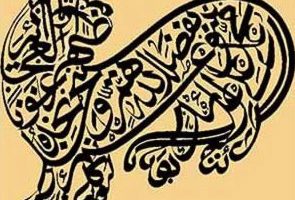
In my house we have lots of religious books one particular that was handed down to me as a young girl from my mother where I learned how to write and recite the Arabic alphabets and learned many different religious stories. This book has been handed down for many generations so many pages are already fallen off where we had to try and staple it back together. Also all the pages are marked up all over. This book has so many meaning to my family. I couldn’t get any pictures of this book because I handed it down to my niece who would need it more now .







Mpenzi Campbell
Hi Awa,
We share some of the same views in reference to digitizing books. I do feel that we are loosing so much as I stated in my blog. However, this new generation is only interested in Digital Books that is why stores like Barnes & Noble have been closing a lot of stores because of a lack of sales on regular book sales. Thanks For Sharing.
Sadad Mohammad
Hey Awa,
I feel you big time on the religious books. i have a Quran from the Mughal time period my family still uses and the annotations and notes next to the texts really make it unique and a nig part of our family. Digitizing texts makes it accessible but makes it lose its charm! Great blog.
Prittania Shaw
I agree with what you guys said, however I feel that with digital books even though we may be losing the traces at least we would still be able to preserve the books.