


Doug Belshaw has introduced us to the eight elements of digital literacies: constructive, cognitive, communicative, civic, critical, creative, confident and cultural. I find that to remix any images they need to have communicative, creative and cultural in order to be creative with images. By being communicative, you need to know who is your audience, basically whom your trying to persuade. Creative is important when you are trying to make your work come alive, and to draw people’s interest. Cultural allow you to relate to specific group of people.
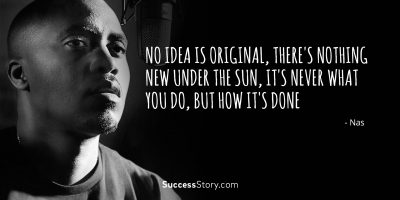
I find that memes, mashups, videos can all be use as propaganda to send a certain type of message, which can be used as a good argument. Propaganda is an ideas, facts, or allegations spread deliberately to further one’s cause or to damage an opposing cause. To have a good argument you have to be persuasive and know how to get a certain group of people to listen. If it wasn’t for our digital literacy practices we would not be as creative and passionate about what message we are sending to the world, whether it is good or bad message.
In “ Remix Culture & Copyright: Remix Examples,” they remix videos to send messages about a certain group of people, or about the economy or just to advertise a movie. They used music or talk about a certain issue that will get people interested in actually listening. The work they are trying to achieve is to get people to listen, which I think they accomplished because the video holds my attention. Some of the videos are effective argument because it plays on people emotions. It makes it seem that they have solution to the problem and letting people know what had caused them to get in that problem in the first place.









Leave a Reply
You must be logged in to post a comment.