
“By Thames you shal have Brewers store,
and Bakers at your wyll.
And such as orders doo observe,
and eat fish thrice a weeke.”
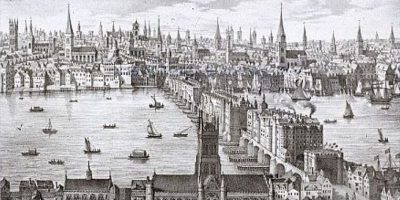
The Thames River is 215 miles long. It is England’s longest river and the second longest river in the UK. In the poem Whitney mention eating fish trice a week (81) , This is because the river is used for transporting goods. By the 1700s the river not only carried fish but there was trade offs with Tea, Silk and spices. Sugar was also brought from the Caribbean. Iron as brought from Sweden and Timber was brought from Norway. The Thames Flood Barrier was build to help protect the banks from flooding. From 1550- 1750 there were many climate changes that affected the Thames River. During that time they had a little ice age and the river was frozen for three months. I think that Whitney probably went to that strip to shop because she mentioned Bakers and Brewers.
“I hose do leave in Birchin Lane,
of any kind of size,
For women stitched, for men both trunks
and those of Gascon guise”
Birchin Lane was a small street of business. There were many thrift shops that were sold there. Later, they start to sell men clothing. I think maybe she went there to buy clothes. She probably went to the men clothing store to look for a husband since she was not married. There are also coffee shops on Birchin Lane, so she goes there after she’s gone shopping. Birchin Lane got its name from Birchover who was the first builder and owner. Eilert Ekwall did not like that name because it meant a lone of barbers so he switched it to “Beardceofrer” which means to cut.








Andie Silva (she/her)
Cynthia, I want to encourage you to stick more closely to the text and think about the symbolic and metaphorical reasons why these places are mentioned–we don’t want to assume too many facts about Whitney that can’t be proven, but we do want to understand the meaning of these locations for London life and commerce (and you can think about doing some research on the role of commerce in London life, who worked at these places, to what classes they belonged, etc). And don’t forget to cite your sources!